
What People Get Wrong About High-Security Construction Projects (And Why It Gets Expensive Fast)
Learn the real reasons construction projects go over budget—especially in high-security and complex builds. Discover hidden costs, contractor mistakes, and planning gaps that most homeowners don’t catch until it’s too late—and how to avoid them.
4/3/20264 min read
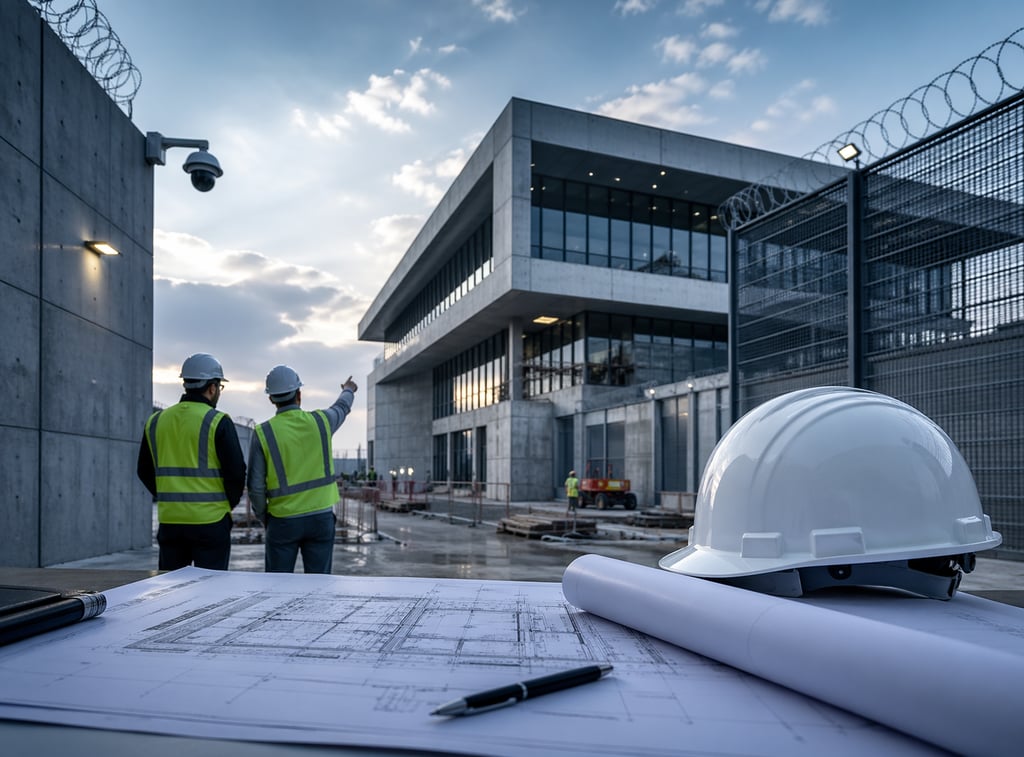
Most homeowners think construction budgets fall apart because of rising material prices or labor costs. In reality, most projects go over budget because of decisions made before construction even starts.
Now take that same issue and apply it to high-security construction—projects with stricter requirements, tighter tolerances, and almost zero room for error. That’s where small oversights don’t just cost more… they can shut the entire project down.
Even if you’re not building anything close to a detention facility or controlled environment, the same patterns show up in home additions, major renovations, and system-heavy upgrades.
This is the part most people don’t see coming.
Most People Underestimate the Planning Phase
Planning is where your budget is either protected or quietly broken.
It doesn’t feel urgent because nothing is being built yet. But this is where the most expensive mistakes happen.
Common things that get overlooked early:
Soil conditions (especially in areas with red clay)
Drainage and grading
Utility access and rerouting
Structural load requirements
Permit scope and review timelines
In places like Huntsville, red clay soil can expand and contract depending on moisture. That affects foundations, drainage, and long-term stability. It’s not obvious until something shifts.
What actually happens:
Plans get approved based on assumptions
Work starts
Something unexpected comes up
Everything pauses while adjustments are made
That pause costs money fast:
Crews rescheduled
Materials delayed
New permits or revisions required
Most homeowners regret: starting before the full picture is clear.
Do this before you call anyone:
Get a full site evaluation (not just a quick look)
Ask what could go wrong—not just what will happen
Build a buffer into your budget for unknowns (at least 10–15%)
Specialized Work Isn’t the Same as General Construction
This is where a lot of projects quietly go off track.
People assume construction is interchangeable. It’s not.
High-security environments involve:
Reinforced doors and frames
Controlled access systems
Specialized locking hardware
Structural reinforcements
Integrated mechanical and monitoring systems
That’s not something a general contractor can just adapt to mid-project.
On large-scale builds, you’ll often see specialized contractors like Cornerstone Inc. brought in because they focus on detention-grade equipment and secure infrastructure that requires precise installation and coordination.
What contractors won’t tell you upfront:
If they haven’t done this type of work before, you’re paying for their mistakes.
What this looks like in real projects:
Incorrect installs that have to be redone
Systems that don’t pass inspection
Longer timelines due to trial-and-error
For homeowners, this shows up when:
You hire someone who “can probably do it”
Instead of someone who’s done it multiple times
Worth hiring out:
Structural changes
Anything involving load-bearing systems
Specialized installations (security, HVAC upgrades, electrical panels)
Permits and Compliance Are Bigger Than You Think
Permits are one of the biggest hidden costs in construction.
Not because they’re expensive—but because they slow everything down when something’s off.
A lot of homeowners think permits are just paperwork. They’re not.
They’re checkpoints.
And if something doesn’t match:
The project gets delayed
Work gets rejected
Changes have to be resubmitted
In fast-growing areas like Huntsville, permit backlogs are already a factor. Add complexity, and timelines stretch even further.
Hidden costs show up when:
Plans don’t match code requirements
Inspectors flag small but critical issues
Revisions are needed mid-project
Contractors didn’t pull the right permits
What actually happens:
Work stops
Crews sit idle (and still need to be paid)
Materials get delayed or wasted
Most homeowners regret: assuming permits will “work themselves out.”
What actually saves money:
Get permits fully approved before starting
Ask your contractor exactly what’s included
Request written confirmation of permit scope
Material Choices Are Not Just About Price
This is where short-term thinking gets expensive.
Cheaper materials can look the same at first. But over time, the differences show up in:
Durability
Performance
Maintenance
Replacement costs
On complex builds, materials aren’t optional—they’re required for the system to function correctly.
Examples:
Reinforced steel vs. standard framing
Moisture-resistant materials in humid climates
Hardware rated for heavy use vs. residential use
In a place with humid summers and occasional freezes, the wrong material can fail faster than expected.
Hidden cost:
Replacing something that should’ve lasted 10+ years after only a few seasons.
Most homeowners regret:
Saving money upfront and paying more later for repairs.
Better approach:
Spend more on anything that is:
Behind walls
Hard to access
Structurally important
That’s where upgrades actually save money long-term.
Timelines Are Almost Always Too Optimistic
Every contractor gives a timeline.
Almost every timeline is optimistic.
Not because they’re trying to mislead you—but because delays are hard to predict and easy to underestimate.
Common delays:
Material shortages
Weather interruptions
Inspection scheduling
Crew availability
Change orders
Even a one-week delay can push everything else back.
What actually happens:
A 6-week project turns into 10–12 weeks
Costs increase due to extended labor and scheduling
Most homeowners regret:
Planning their lives around best-case timelines.
What actually saves money:
Build in extra time
Ask for realistic worst-case scenarios
Plan for overlap between delays
Coordination Between Trades Is Where Projects Break Down
Construction is not just about doing the work—it’s about doing it in the right order.
Every part depends on another:
Framing → electrical → insulation → drywall → finishing
If one step is delayed or done incorrectly, everything after it is affected.
On more complex projects, coordination gets tighter:
Systems need to align exactly
Installations depend on previous measurements
Timing matters more than people expect
Hidden cost:
Paying for rework when something has to be undone.
What contractors won’t tell you:
Poor coordination is one of the biggest causes of budget overruns.
For homeowners:
Ask:
Who manages the schedule?
How are delays handled?
What happens if one trade falls behind?
Change Orders Add Up Fast
This is one of the biggest budget killers.
Change orders don’t seem expensive at first:
Moving a wall slightly
Upgrading materials mid-project
Adding a feature you forgot
But each change affects:
Labor
Materials
Timeline
Sometimes permits
What actually happens:
One small change turns into multiple adjustments across different trades.
Most homeowners don’t realize:
Every change has a ripple effect.
Skip this mistake:
Finalize decisions before construction starts whenever possible.
Not Everything Is Worth DIY
DIY works for simple projects.
It doesn’t work for complex systems.
Once you’re dealing with:
Structural changes
Electrical systems
Code requirements
Specialized installations
DIY can cost more than hiring someone from the start.
What actually happens:
Work fails inspection
Mistakes require professional correction
Materials get wasted
Most homeowners regret:
Trying to save money on work that required experience.
Worth hiring out:
Structural framing
Electrical panels and wiring
HVAC systems
Anything that requires permits
Quick Checklist Before Starting Any Complex Project
☐ Get at least three detailed quotes
☐ Verify contractor experience with similar work
☐ Review permits before starting
☐ Plan for delays (add buffer time)
☐ Lock in materials early
☐ Set aside 10–20% contingency budget
Final Takeaway
Most projects don’t go over budget because of one big mistake.
They go over because of a series of small ones that weren’t caught early.
The biggest thing that actually saves money:
Doing more work before construction starts—not after.
The sooner you catch planning gaps, contractor mismatches, and material issues, the less they cost you down the road.
The sooner you handle these decisions, the less expensive your project becomes over time.


©2026