
What No One Tells You About Living With Your Cabinets After the Renovation
Learn what homeowners wish they knew after installing kitchen cabinets. Discover hidden costs, daily frustrations, and common mistakes that show up after renovation—and how to avoid them before it’s too late.
4/6/20264 min read
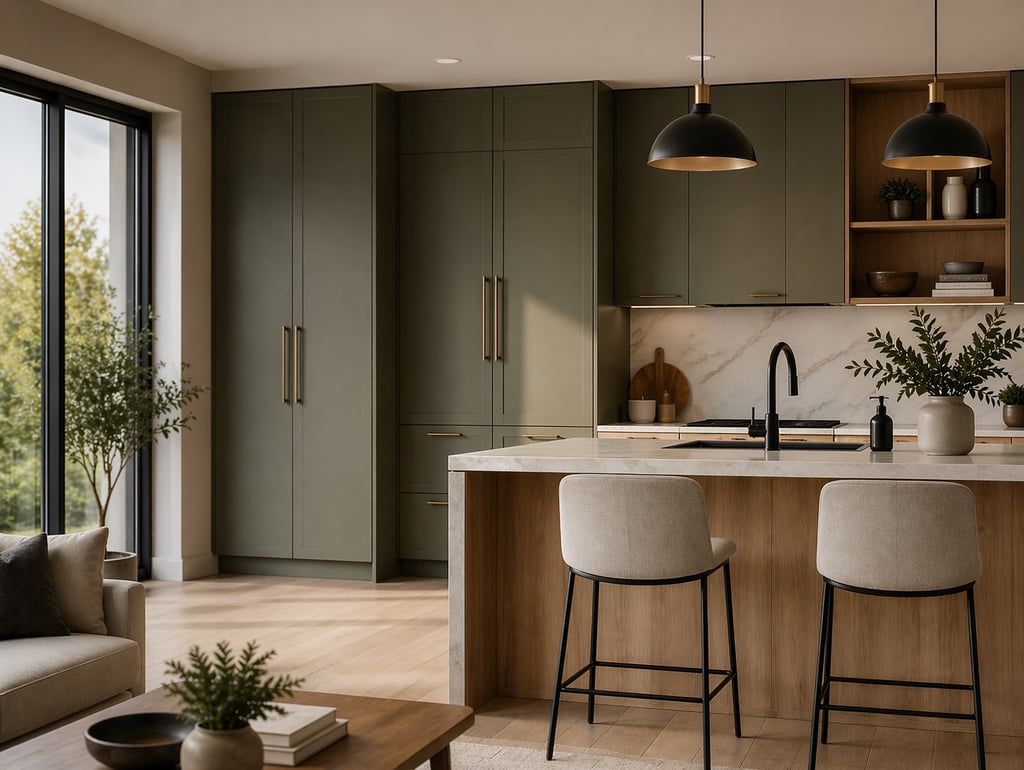
Most homeowners think the cabinet decision ends once everything is installed.
It doesn’t.
That’s when the real experience starts—and that’s where most of the regret shows up.
Not big, dramatic problems. Small, daily annoyances that slowly make your kitchen harder to use than it should be.
If you’re planning a renovation, this is the part most people don’t think through.
Door Swing Becomes a Daily Problem
Cabinet doors look fine on a plan.
In real life, they compete for space.
Two doors opening into each other
Upper cabinets blocking your head space
Someone opening a door right as you walk by
Fridge and cabinet doors fighting for clearance
This isn’t a rare issue. It’s one of the most common layout mistakes.
Most homeowners regret: assuming door movement will “just work.”
It doesn’t unless it’s planned.
What actually saves money:
Map out door swings before installation
Leave extra clearance around appliances (not just minimum specs)
Use narrower doors in tight spaces
Fixing this after installation usually means replacing doors or hardware—not cheap.
Deep Cabinets Don’t Mean Better Storage
Deeper cabinets look like more storage.
They’re not.
They’re harder to use.
You end up with:
Items stacked behind each other
Things you forget you even own
Constant digging to find what you need
What contractors won’t tell you: deeper cabinets are easier to build, not easier to live with.
Hidden cost: wasted space you can’t actually use.
Better approach:
Use pull-out drawers instead of fixed shelves
Add vertical dividers for pans and trays
Keep frequently used items in shallow, accessible areas
If you don’t plan this early, you’ll feel it every day.
Shelf Heights Rarely Match Real Use
Standard cabinet layouts are generic.
Your kitchen isn’t.
Most homeowners don’t think about shelf height until they’re already stacking items awkwardly.
You’ll notice:
Too much space above small items
Not enough space for larger ones
Wasted vertical space
Most homeowners regret: not customizing shelves based on what they actually own.
Do this before you call anyone:
Measure your pots, appliances, and containers
Plan shelf spacing based on real items
Ask for adjustable shelves wherever possible
This is a small decision that makes a big difference long-term.
Corner Cabinets Are Awkward by Default
Corner cabinets look like they maximize space.
In reality, they’re one of the least efficient areas.
You’ll deal with:
Hard-to-reach back corners
Items getting lost
Awkward bending and reaching
What actually happens: you stop using half the space.
Most homeowners regret: not upgrading corner solutions.
Better options:
Lazy Susans
Pull-out corner systems
Blind corner drawers
Yes, they cost more upfront.
But they actually make the space usable—which saves frustration daily.
Hardware Quality Shows Up Over Time
Everything feels solid on day one.
Then time passes.
Hinges loosen
Drawers stop closing smoothly
Doors shift slightly
Humidity—especially in areas like Huntsville—makes this worse. Materials expand and contract, and lower-quality hardware struggles to keep up.
What contractors won’t tell you: hardware quality matters more than cabinet finish long-term.
Better-built cabinetry—like what you’ll typically see from Huntsville American Cabinets holds alignment and function longer, which becomes noticeable after a couple of years of daily use.
That difference isn’t visible in a showroom.
It shows up later.
Appliance Clearance Gets Overlooked
This one causes expensive problems.
Everything looks fine until installation.
Then:
Fridge doors don’t open fully
Dishwasher hits cabinet edges
Oven clearance is tighter than expected
Most homeowners regret: relying on standard dimensions instead of actual appliance specs.
What actually saves money:
Confirm exact appliance measurements
Allow extra clearance—not just minimum
Test door swing, not just fit
Fixing this later can mean moving cabinets or replacing appliances.
Small Alignment Issues Become Big Annoyances
Even minor installation issues become noticeable over time.
Uneven gaps
Crooked doors
Drawers not sitting flush
At first, you ignore it.
Then it’s all you see.
Most homeowners regret: not paying attention to installation quality.
Cabinets are eye-level and used constantly.
Small imperfections stand out more here than almost anywhere else.
Worth hiring out: installers who focus on leveling and precision—not just speed.
Cleaning Is More Work Than You Expect
Cabinet design affects maintenance more than people realize.
Some finishes and styles look great—but require constant upkeep.
You’ll notice:
Fingerprints on glossy surfaces
Dust in detailed trim
Smudges that don’t wipe clean easily
Hidden cost: time spent cleaning.
Better choices:
Matte or satin finishes
Simpler door designs
Easy-to-clean materials
This matters more if you cook often or have kids.
You Run Out of “Good Storage” Quickly
Even with new cabinets, the best storage areas fill up fast.
Not all cabinet space is equal.
Easy-to-reach spots get crowded
Hard-to-reach spots stay empty
Everyday items compete for space
Most homeowners regret: focusing on total storage instead of usable storage.
What actually saves money:
Prioritize daily-use zones
Design around workflow
Keep essentials within reach
More cabinets don’t fix poor layout.
Better layout does.
Lighting Changes Everything
Cabinets don’t exist on their own.
Lighting changes how they look and function.
Without proper lighting:
Dark cabinets feel heavier
Shadows make prep harder
Colors don’t look the same as expected
What contractors won’t tell you: lighting issues often get blamed on cabinets.
Better setup:
Under-cabinet lighting
Consistent light temperature
Enough brightness for work areas
Adding lighting later costs more than doing it during the renovation.
Quick Checklist Before Finalizing Cabinets
☐ Test door swing and spacing
☐ Plan storage based on real items
☐ Upgrade hardware quality
☐ Confirm appliance clearance
☐ Choose low-maintenance finishes
☐ Add proper lighting
Final Takeaway
Cabinet problems don’t show up all at once.
They build over time.
It’s the daily use—the reaching, opening, cleaning, adjusting—that reveals whether your decisions actually work.
The biggest thing that actually saves money: thinking beyond installation and focusing on how your kitchen will function every day.
The sooner you catch these issues before installation, the less they’ll cost you down the road.


©2026