
What Homeowners Get Wrong About “Clean Homes Don’t Have Pests” (And Why It Backfires)
What homeowners get wrong about the “clean homes don’t have pests” myth. Learn the real causes of pest problems, early warning signs, and how to prevent costly issues before they start.
4/8/20265 min read
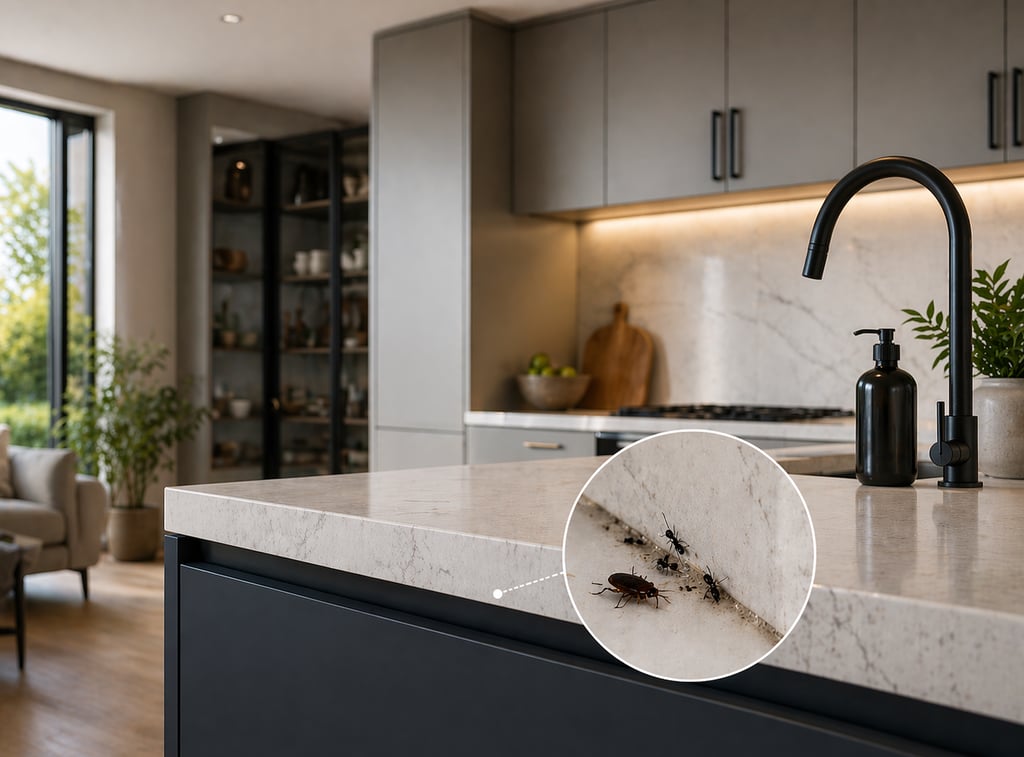
Most homeowners start with a simple belief: if you keep a clean house, you won’t have pest problems.
It sounds reasonable. You wipe surfaces, take out the trash, don’t leave food out. That should be enough.
But here’s what usually happens instead: the home stays clean, but the problem shows up anyway—and now you’re confused, frustrated, and a few steps behind.
This is one of those situations where the assumption feels right, but the reality works differently. And by the time most people realize that, they’re already dealing with something that could’ve been handled earlier—and cheaper.
Why This Belief Feels Right (But Doesn’t Hold Up in Real Homes)
The “clean homes don’t have pests” idea usually comes from two places:
Basic hygiene rules (don’t leave food out, clean your kitchen)
Apartment living experiences (where shared trash or neighbors were often the cause)
Those aren’t wrong. They’re just incomplete.
In a detached home, the problem shifts from cleanliness to structure and environment.
You’re no longer just managing what’s inside your space—you’re dealing with:
the exterior of the house
the soil and drainage around it
the way it was built (and how well it’s sealed)
and how it handles moisture over time
Most homeowners don’t think about those factors until something shows up.
What Pests Actually Care About (And Why Cleanliness Isn’t Enough)
Pests aren’t evaluating your cleaning habits. They’re responding to opportunity.
There are three main things that drive activity, and none of them have much to do with how often you mop your floors.
1. Shelter (Your Home Is Already Built for It)
Walls, insulation, attics, crawl spaces—these are ideal environments.
They’re:
dark
quiet
protected from weather
rarely disturbed
Even newer homes can have small construction gaps or settling issues. In fast-growing areas, homes go up quickly, and minor sealing details get missed.
That doesn’t mean your home was built poorly. It just means it’s not airtight.
And it doesn’t take much.
2. Moisture (The Real Magnet Most People Ignore)
This is one of the biggest hidden drivers of pest problems.
Common sources include:
slow leaks under sinks
condensation on pipes
HVAC drip lines
crawl space humidity
poor exterior drainage
In humid climates, moisture builds up faster than most people expect.
You might not see water—but that doesn’t mean it’s not there.
And if moisture is present, pests will find it.
3. Entry Points (Small Gaps, Big Consequences)
Most homes have more entry points than homeowners realize.
Look at areas like:
where cables or pipes enter the house
gaps under doors or around garage frames
roofline intersections
siding seams
foundation edges
These aren’t obvious. You won’t notice them during normal daily life.
But they’re enough.
Most homeowners don’t realize how many small openings exist until they go looking for them—and by then, something has already found them.
The Triggers That Actually Cause Pest Activity
This is where things really separate from the “clean home” idea.
Pest activity often increases because of external factors—not indoor conditions.
Seasonal Shifts (This Happens Every Year)
Spring: pests start breeding and expanding
Summer: heat and humidity increase activity
Fall: pests look for warmth indoors
Winter: nesting inside walls and attics
Even if nothing changes inside your home, activity can increase outside—and eventually move in.
Construction and Development Nearby
In growing areas, land gets cleared and built on quickly.
When that happens:
existing habitats get disrupted
pests relocate instead of disappearing
nearby homes become the easiest alternative
This is one of those “most people don’t realize this until it happens” situations.
Landscaping Decisions
What you do outside your home matters more than people think.
Common issues:
mulch piled against the foundation
bushes touching exterior walls
tree branches close to the roof
standing water in low areas
These create pathways and ideal conditions—right up against your house.
Neighboring Activity
Even if your home is well-maintained, nearby issues can spill over.
This is especially common in:
tightly spaced neighborhoods
older developments
areas with shared drainage or soil movement
You can do everything right and still deal with problems if the surrounding environment isn’t controlled.
Where the “Clean Home” Mindset Starts to Cost You
This is the turning point.
Because when you believe cleanliness is the main defense, you tend to delay action.
You tell yourself:
“It’s just one.”
“It probably came in from outside.”
“We don’t have that kind of problem.”
So you wait.
What Actually Happens During That Delay
The issue doesn’t go away—it settles in.
It moves into:
wall cavities
attic insulation
crawl spaces
behind appliances
And because it’s out of sight, it grows quietly.
By the time it becomes obvious, it’s no longer a quick fix.
The Early Warning Signs Most Homeowners Miss
Problems usually start small.
And they stay small—for a while.
What to Watch For
seeing something occasionally, especially at night
faint scratching or movement sounds
droppings in hidden areas
small piles of debris or nesting material
subtle, unusual smells
Why These Get Ignored
They don’t feel urgent.
They’re easy to explain away.
And because the house is clean, it doesn’t seem possible that something is developing.
This is where most homeowners lose time—and money.
Why Quick DIY Fixes Often Don’t Hold Up
Trying a quick fix makes sense. Most people start there.
But here’s the issue: DIY usually treats what you can see—not what’s causing it.
Common Mistakes
setting traps without sealing entry points
spraying visible areas but missing hidden ones
ignoring moisture sources
assuming one treatment solves everything
The Pattern That Follows
Small issue appears
Quick fix is applied
Activity drops
Weeks later, it returns
At that point, most people start looking deeper—trying to understand why it keeps happening and what they might be missing. That’s usually when they begin researching patterns, entry points, and recurring behavior through resources that explain how recurring pest issues actually develop over time, which focus more on root causes instead of just surface-level fixes.
What Actually Makes a Home Less Attractive to Pests
This is where things start working in your favor.
And it’s usually less about cleaning—and more about maintenance.
Seal the Right Areas First
Focus on high-impact spots:
utility entry points
garage door edges
attic vents
roofline joints
foundation seams
Sealing a few small gaps can do more than deep-cleaning your entire house.
Fix Moisture Before Anything Else
If moisture stays, the problem stays.
Check:
under sinks
around HVAC systems
crawl space conditions
exterior drainage
Sometimes this is as simple as improving airflow or redirecting water away from the house.
Adjust Exterior Conditions
keep mulch a few inches away from the foundation
trim plants so they don’t touch the house
remove standing water
clean gutters regularly
These changes don’t feel dramatic—but they make a difference over time.
Rethink Storage Areas
Garages, attics, and closets are common trouble spots.
Avoid:
cardboard storage on floors
cluttered corners
undisturbed areas for long periods
Use sealed bins when possible.
The Hidden Cost of Waiting (And Why It Adds Up Fast)
Most homeowners don’t expect small issues to turn expensive.
But they do—because of time.
What Can Develop Over Time
damaged insulation
chewed wiring
structural wear in wood
repeated treatment costs
What It Usually Looks Like Financially
Early fix: $100–$300
Moderate issue: $300–$800
Larger problem: $1,000+
The difference isn’t just the problem—it’s how long it was allowed to develop.
A Better Way to Think About It
Instead of asking:
“Is my home clean enough?”
Start asking:
“Where could something get in—and what would make it stay?”
The Three Things That Actually Matter
Access – small openings you don’t notice
Environment – moisture and shelter
Timing – seasonal and external changes
Cleanliness helps—but it’s not the deciding factor.
Final Takeaway
A clean home reduces certain risks—but it doesn’t solve the bigger ones.
What actually saves money is catching entry points, controlling moisture, and acting early when something feels off.
If you do one thing this week, walk around your home—inside and out—and look for:
small gaps
signs of moisture
areas that don’t get checked often
The sooner you handle those small issues, the less they’ll cost you down the road.


©2026