
What Homeowners Don’t Realize About Waterfront Property (Until It Starts Affecting How You Live)
Thinking about buying a waterfront home? Discover the hidden maintenance costs, insurance realities, and daily challenges most homeowners don’t realize until it’s too late.
4/21/20265 min read
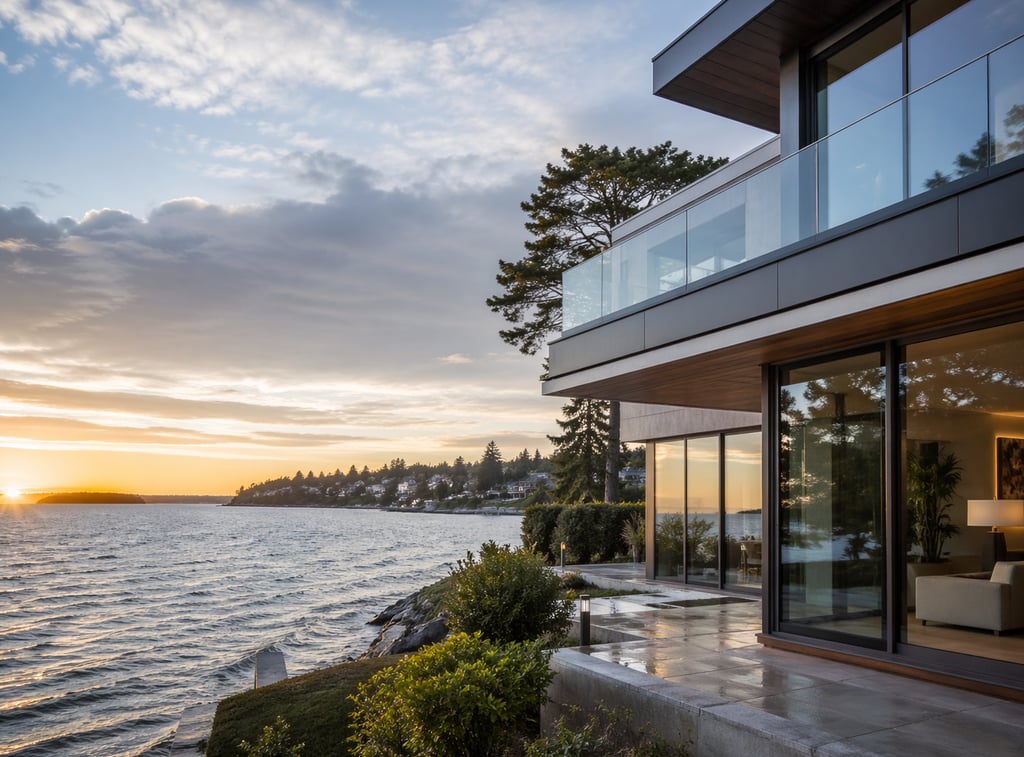
Owning a waterfront home can add $5,000–$15,000 in extra annual maintenance and operating costs compared to a similar inland property.
That number doesn’t show up in listings. It doesn’t come up during walk-throughs either. Most of it shows up later—through higher upkeep, faster wear, and small issues that stack up over time.
If you’re looking at waterfront property, the goal isn’t to scare you off. It’s to give you a clearer picture of what ownership actually looks like once the excitement wears off and the routine kicks in.
What Listings Show vs. What Daily Life Feels Like
Listings are designed to highlight what sells. You’ll see wide water views, peaceful surroundings, and open outdoor space. What you won’t see is how those same features affect your day-to-day upkeep.
When you browse listings—like the ones on sites such as Duckettpointe—you’ll notice the focus stays on scenery and access. That’s expected. But it leaves out the part that matters once you move in.
The closer your home is to water, the more the environment starts working against your materials.
Here’s what that looks like in real life:
Surfaces stay damp longer after rain or even morning dew
Air carries more moisture, which affects wood, paint, and seals
Wind exposure is stronger and more constant
Soil tends to hold water instead of draining cleanly
None of this is obvious during a showing. It becomes obvious during your first full season living there.
Most homeowners regret not asking one simple question:
“How often do nearby homes need maintenance compared to inland homes?”
Moisture Doesn’t Just Exist—It Stays and Builds Up
Humidity near water behaves differently. It’s not just higher—it lingers longer and works its way into materials.
In areas with humid summers, like Huntsville, this effect is stronger.
What actually happens over time:
Exterior walls stay damp longer, especially shaded areas
Deck boards start showing mildew within months, not years
Paint loses adhesion sooner, especially on trim and railings
Caulking around windows and doors breaks down faster
Inside the home, the impact is slower but more expensive:
Basements or lower levels hold moisture
Closets on exterior walls develop that “damp” smell
Mold risk increases if ventilation isn’t handled properly
Hidden cost most homeowners underestimate:
Repainting, resealing, and cleaning happens more often than you planned for.
Typical cycle inland:
Repaint every 7–10 years
Typical cycle near water:
Repaint every 4–6 years
That difference adds up.
What actually saves money: Planning for shorter maintenance cycles instead of stretching materials past their limit.
Your HVAC System Is Doing More Than Cooling
In a waterfront home, your HVAC system isn’t just controlling temperature—it’s constantly managing moisture.
That changes how hard it works and how long it lasts.
What homeowners start noticing within the first year:
The system runs longer, even when the temperature feels fine
Humidity levels stay high without proper settings
Air feels heavier if the system isn’t sized correctly
In places with long cooling seasons, this creates a steady cost increase.
Typical impact:
$200–$600/year in extra electricity use
More frequent filter replacements
Earlier system wear (sometimes 2–4 years sooner than expected)
What contractors won’t always tell you:
Many systems are sized for square footage, not humidity load.
That’s a problem near water.
Worth hiring out: A proper HVAC evaluation that includes humidity control—not just airflow and cooling.
The Ground Beneath Your Home Moves More Than You Think
Waterfront lots often sit on soil that holds moisture longer. That means the ground expands and contracts more than typical inland soil.
If you’re in a region with clay-heavy soil, like North Alabama, the effect is even stronger.
What actually happens:
Soil swells when wet and shrinks when dry
Minor foundation shifts become more common
Drainage patterns change depending on rainfall
This doesn’t usually cause immediate damage. It shows up slowly.
Early warning signs most homeowners miss:
Hairline cracks that appear, then fade
Doors that stick after heavy rain
Water pooling in spots that used to drain
What homeowners regret later:
Ignoring small signs because they don’t look urgent.
Do this before you call anyone: Walk the property after a heavy rain. That tells you more than any inspection report.
Outdoor Spaces Wear Out Faster—Even the “Low-Maintenance” Ones
Waterfront homes usually come with more outdoor living space. Decks, docks, patios, and railings look great in photos, but they require consistent upkeep.
What changes near water:
Wood absorbs more moisture and breaks down faster
Metal hardware corrodes sooner
Composite materials still collect mildew and grime
Typical maintenance reality:
Deck sealing every 1–2 years
Hardware replacement more often than expected
Frequent pressure washing
Hidden cost:
Outdoor areas become one of the highest ongoing maintenance expenses—not because they fail, but because they wear out steadily.
Most homeowners regret waiting too long between maintenance cycles.
Once damage shows, the fix is usually more expensive than prevention.
Pest Control Becomes Routine, Not Occasional
Water attracts insects. That part isn’t surprising. What surprises homeowners is how consistent the problem becomes.
What changes after moving in:
Mosquito activity increases, especially at dusk
Spiders show up more frequently around lights and exterior walls
Ants and moisture-loving insects appear in crawl spaces and basements
In some areas, wildlife activity also increases depending on how close you are to the shoreline.
Typical cost:
$300–$800/year for regular pest control service
What homeowners don’t expect:
This becomes a scheduled expense, not a one-time fix.
Do this before you call anyone: Ask neighbors what their routine looks like. That’s your baseline.
Insurance Costs More—and Coverage Matters More
Waterfront homes come with higher risk factors. Insurance companies factor that in.
What affects your premium:
Flood exposure
Wind exposure
Proximity to water
Even if the property isn’t in a designated flood zone, risk is still calculated differently.
Typical increase:
$500–$2,000+ annually depending on location and coverage
But the bigger issue isn’t just cost—it’s coverage details.
Most homeowners regret:
Not reviewing exclusions
Assuming water damage is fully covered
Choosing based on price instead of protection
Skip this mistake: Always compare policies line by line. The cheapest option is rarely the safest one here.
Contractors Charge More (and Take Longer)
Waterfront work is harder. That affects both cost and scheduling.
Why jobs cost more:
Access can be limited
Materials need to hold up to harsher conditions
Work takes longer due to environment and setup
What homeowners notice:
Fewer contractors are willing to take on the job
Timelines stretch beyond what was quoted
Quotes come in higher than expected
What contractors won’t always say directly:
Some jobs are priced higher simply because of location complexity.
Do this before hiring anyone:
Get at least three written quotes
Make sure timelines are clearly outlined
Confirm materials being used are appropriate for the environment
Maintenance Isn’t Occasional—It’s Ongoing
Inland homes can get away with seasonal maintenance. Waterfront homes can’t.
What changes:
Exterior cleaning becomes more frequent
Gutters need regular monitoring
Seals and finishes degrade faster
Nothing fails all at once. It wears down steadily.
Most homeowners regret:
Treating maintenance as a once-a-year task instead of an ongoing routine.
What actually saves money: Staying ahead of small issues before they turn into repairs.
Resale Value Depends on Condition, Not Just Location
Waterfront property often holds value—but condition matters more than location over time.
What buyers look for immediately:
Signs of water damage
Condition of decks, docks, and exterior surfaces
Evidence of consistent maintenance
What hurts resale:
Deferred maintenance
Visible wear from moisture exposure
Drainage or foundation concerns
Skip this mistake: Assuming the view alone protects your property value.
Buyers notice upkeep just as much as location.
Quick Checklist Before You Commit
Before you move forward on a waterfront property, run through this:
Check drainage after heavy rain
Ask neighbors about maintenance routines
Review insurance coverage carefully
Inspect outdoor structures closely
Confirm HVAC system accounts for humidity
Budget for ongoing upkeep—not just the purchase price
Final Takeaway
Waterfront property doesn’t fail all at once. It slowly changes how you live with your home.
The moisture, the wear, and the environment don’t show up in dramatic ways. They show up in small, consistent costs and maintenance decisions that happen more often than you expect.
Most homeowners don’t regret buying near water—they regret not understanding the upkeep that comes with it.
The sooner you plan for those realities, the less it will cost you down the road.


©2026