
What Homeowners Don’t Realize About “Rooms That Never Feel Right” (And Why HVAC Isn’t Always the Obvious Fix)
Learn why some rooms in your home never feel right and what most homeowners get wrong about HVAC issues. Discover practical fixes that save money and improve comfort.
4/21/20264 min read
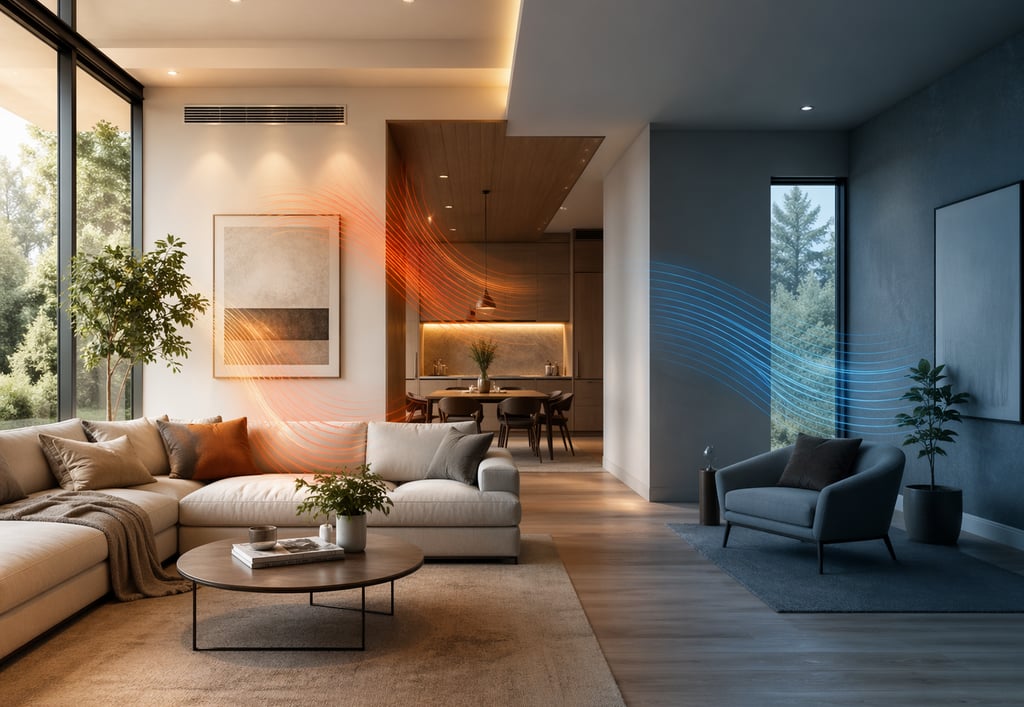

If one room in your house is consistently uncomfortable, you could be wasting $300–$1,200 a year trying to fix the wrong problem.
Most homeowners assume it’s the HVAC system. Sometimes it is—but more often, it’s a mix of airflow, insulation, layout, and small issues that add up. The frustrating part is you can spend money on repairs or upgrades and still end up with the same room that never feels right.
Here’s what’s actually going on—and how to fix it without guessing.
The Problem Is Usually a Combination, Not One Thing
That one room that’s always too hot or too cold rarely has a single cause.
What actually happens:
Airflow isn’t balanced across the house
Heat enters or escapes faster in that room
The system is sized for the whole home—not specific problem areas
Most homeowners regret:
Fixing one piece (like the thermostat or unit) and expecting the entire issue to disappear.
What actually saves money: Identifying the root cause before spending on upgrades.
Airflow Problems Are More Common Than You Think
If air isn’t moving properly, the room won’t feel right—no matter how good your HVAC system is.
Common airflow issues:
Vents blocked by furniture or rugs
Closed or partially closed dampers
Long duct runs that weaken airflow before it reaches the room
What contractors won’t tell you upfront:
Not every room was designed to receive equal airflow, especially in older or fast-built homes.
Do this before you call anyone:
Check every vent for airflow
Remove obstructions
Make sure vents are fully open
Why it matters:
Even small airflow restrictions can create noticeable temperature differences.
Insulation Differences Quietly Drive Temperature Swings
Some rooms lose or gain heat faster than others—and insulation is usually the reason.
Rooms most affected:
Above garages
With multiple exterior walls
With large windows
In mid-sized cities with humid summers and occasional winter dips, this becomes more noticeable.
What actually happens:
Heat builds quickly in summer
Warm air escapes faster in winter
The system runs longer trying to compensate
Hidden cost:
Higher energy bills without fixing the root issue.
Worth hiring out: A targeted insulation check if one room consistently feels off year-round.
Sunlight Exposure Changes How a Room Behaves
Direct sunlight can raise a room’s temperature faster than your system can adjust.
What homeowners notice:
The room heats up mid-day
It stays warmer into the evening
Cooling takes longer than expected
What actually saves money:
Thermal curtains
Window film
Exterior shading
Skip this mistake: Adjusting your thermostat instead of controlling heat at the window level.
Ductwork Issues Are Often Hidden (and Expensive if Ignored)
Ductwork determines how air moves—and small problems can create big differences.
Common issues:
Leaks at connection points
Ducts that are too long or poorly routed
Crushed or restricted sections
What actually happens:
Air pressure drops before reaching the room
Some areas get more airflow than others
The system works harder without solving the problem
At some point, trial-and-error stops working.
Having airflow and duct performance evaluated—like the kind of HVAC service outlined on sites such as Affordable Heating and Cooling can give you a clearer answer than continuing to guess.
Most homeowners wait too long before checking this.
Room Location Affects Temperature More Than You Expect
Where the room sits in the house matters.
Examples:
Upstairs rooms trap heat
Rooms above garages run hotter
Corner rooms lose heat faster
What actually happens:
Air struggles to balance between levels
Heat collects in certain areas
Outdoor conditions affect some rooms more directly
Do this before you call anyone:
Track when the room feels worst—morning, afternoon, or night.
That pattern usually points to the cause.
Your Thermostat Isn’t Measuring That Room
Most homes rely on one thermostat in a central location.
What homeowners don’t realize:
The system shuts off based on that location
The problem room may still be uncomfortable
Adjusting the thermostat affects the whole house
What actually saves money:
Adding sensors
Using zoning systems
Adjusting usage patterns
Skip this mistake: Constantly adjusting the thermostat hoping one room improves.
Furniture and Layout Can Block Air Movement
Air needs space to circulate—and furniture can interfere with that.
Common problems:
Beds or couches covering vents
Curtains blocking airflow
Large furniture trapping air
What actually happens:
Uneven air distribution
Hot or cold spots
Reduced system efficiency
Quick fix:
Keep vents clear
Allow airflow paths
Simple changes here often make a noticeable difference.
Windows and Seals Let Air In and Out
Small air leaks add up over time.
What to look for:
Drafts near windows
Worn weather stripping
Gaps in older frames
What homeowners regret:
Ignoring small leaks until energy bills increase.
Typical impact:
Higher heating and cooling costs
Reduced comfort
What actually saves money: Sealing leaks early before they affect the entire home.
Sometimes It Is the HVAC System—but Not How You Think
The system itself can be part of the problem—but not always in obvious ways.
Common causes:
Incorrect system sizing
Aging equipment
Poor installation
What contractors won’t always tell you:
A system can run without errors and still perform unevenly.
Worth hiring out: A full system evaluation if multiple rooms feel off.
What Most Homeowners Get Wrong (And Why It Gets Expensive)
When a room feels off, most people try quick fixes first.
Common mistakes:
Constant thermostat adjustments
Replacing parts too early
Ignoring airflow and insulation
Why this matters:
Money gets spent without solving the issue
Problems continue or get worse
Most homeowners regret not diagnosing the problem first.
Quick Checklist Before You Spend Money
Before calling for repairs, go through this:
Check airflow from all vents
Clear obstructions around vents
Look for insulation differences
Check for drafts and leaks
Observe patterns throughout the day
Avoid constant thermostat changes
Final Takeaway
Rooms that never feel right aren’t random—they’re predictable once you understand what’s causing them.
Most of the time, it’s not just your HVAC system. It’s how your home handles air, heat, and layout.
Most homeowners don’t realize this until they’ve already spent money on the wrong fix.
The sooner you identify the real issue, the easier—and cheaper—it is to fix it.
The sooner you handle it, the less it will cost you down the road.


©2026